
Podiatry Association (Singapore)
Striding with Ethics and Unity


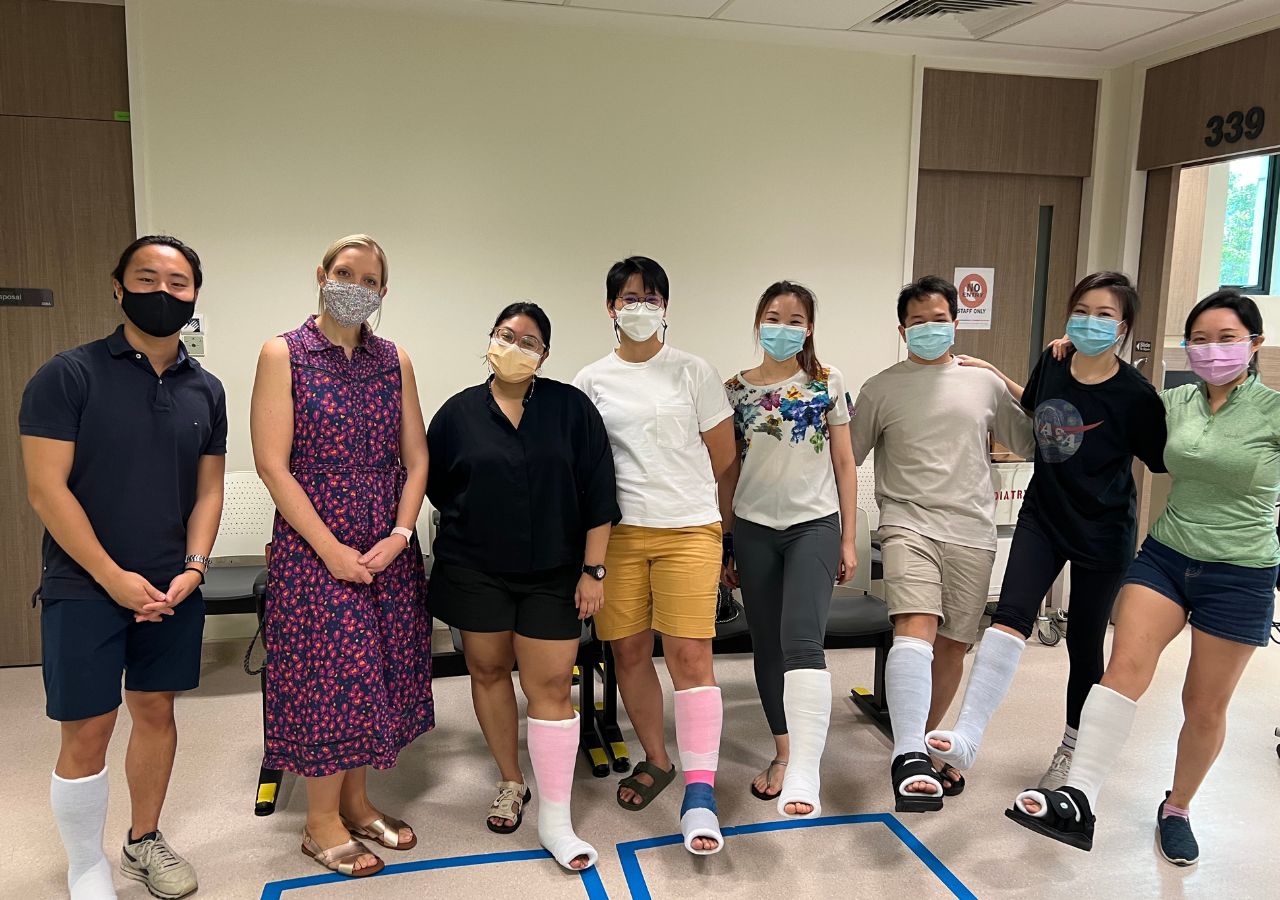
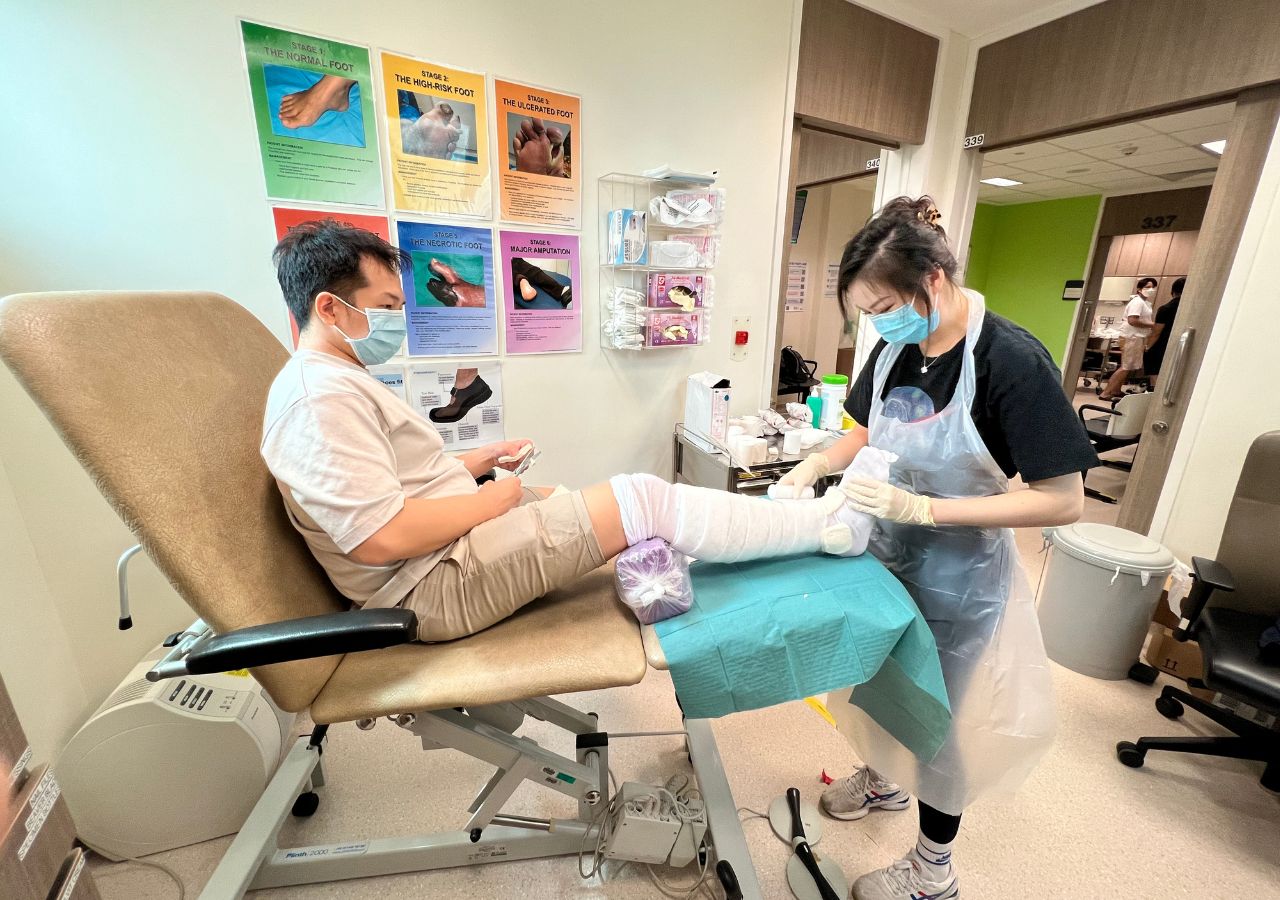


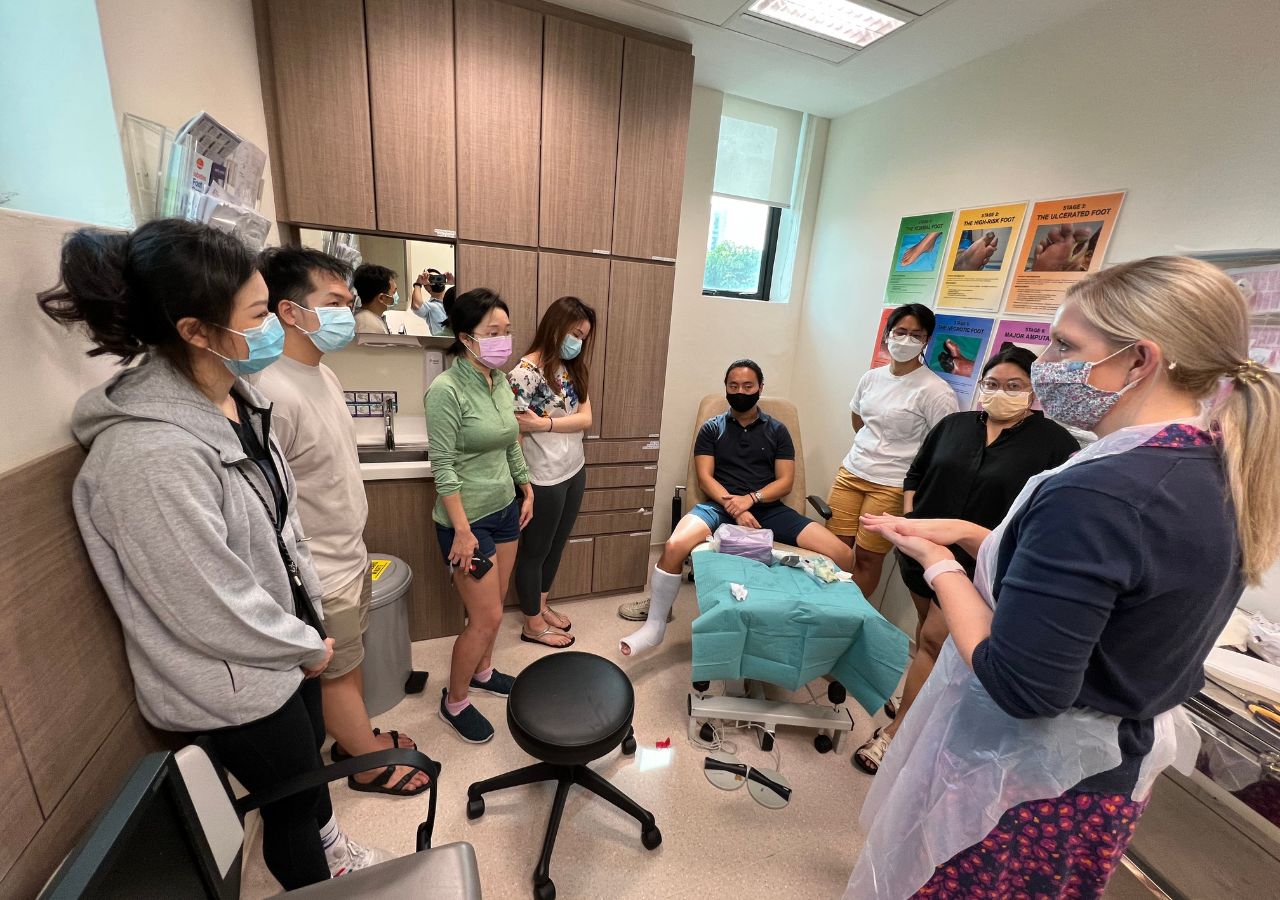
About us
We are a professional organisation for Podiatry recognised by the Ministry of Health, Singapore. We are dedicated to promoting foot and lower limb health in Singapore.
Our mission is to provide education, advocacy, and resources for Podiatrists, and ensuring the standard of Podiatric care to safeguard the safety of the general public.
Professional Code of Conduct
It is of great significance that all Podiatrists registered with PA(S) abide by the code of conduct outlined by the Allied Health Profession Council. By fulfilling all requirements, these registered Podiatrists will also be acknowledged as accredited members. Our primary objective is to safeguard the general public’s well-being and interests while ensuring the provision of top-notch podiatric care in Singapore.
It should be noted that PA(S) is not affiliated with any other professional organization in Singapore. As a result, we cannot verify the qualifications of Podiatrists who are not registered with us.
About Podiatry
Our Role in Healthcare & Scope of Practice
Video credits to Care To Go Beyond
Who we are?
A podiatrist possesses specialized knowledge and expertise in caring for the feet and ankles. Their primary focus is conducting thorough examinations, making accurate diagnoses, providing effective treatments, and implementing preventive measures to address foot-related conditions.
Member Benefits
Join us to connect with other podiatrists, stay up-to-date on the latest industry news, and have a voice in shaping the future of podiatry in Singapore.
Full
Membership
Podiatrist Residing in Singapore
-
PA(S) Accredited Status
-
Ultimate Podiatrist Portal Access (Worth $500/year)
-
Exclusive Rates for Workshops and Events
-
Priority Access to Sponsored Workshops and Events
-
Full Voting Rights During AGM
Associate
Membership
Non-locally Practising Podiatrist
-
Exclusive Rates for Workshop and Events
-
Access to Sponsored Workshops and Events
-
Stay Connected with Podiatry Community in Singapore
Student
Membership
Podiatry Student Only
-
Exclusive Rates for Workshop and Events
-
Access to Sponsored Workshops and Events
-
Receive Support and Updates Regarding Podiatry in Singapore
Why Your Feet Are the Most Important Part of Your Marathon Training
Whether you’re training for your first 10km, a half marathon, or chasing a personal best in a full marathon, countless hours are spent building endurance, improving pace, and perfecting nutrition. Yet, one area is often overlooked: your feet, the very foundation that carries you through every kilometre.
As podiatrists, we often see runners who diligently follow their training plans but neglect foot care until pain forces them to stop. The reality is that healthy feet are just as important as strong lungs and powerful legs. Looking after your feet can be the difference between crossing the finish line and sitting out race day due to an injury.
This article will go through some common injuries runners face that a podiatrist can help treat!
Common Foot Problems Marathon Runners Face:
Plantar Fasciopathy
Plantar fasciopathy is one of the most common conditions among runners. This typically manifests as heel pain, particularly during the first few steps in the morning. While often mistaken for routine inflammation, plantar fascia symptoms can stem from acute or chronic tears, which require careful evaluation and shouldn’t be taken lightly. Plantar fasciopathy often develops when training volume increases too quickly or when the foot muscles become overloaded.
Achilles Tendinopathy
This typically presents as pain and stiffness along the Achilles tendon or at its insertion into the calcaneal (heel) bone. It can gradually develop from repetitive loading or strain on the tendon. Ignoring early symptoms may lead to swelling, tears, and scarring, which can severely disrupt your training schedule.
Metatarsalgia
Pain in the ball of the foot may result from excessive, repetitive impact from running, poor footwear choices, or a sudden increase in mileage. At its worst, severe symptoms can indicate an injury or tear to the plantar plate—a crucial structure that stabilises the toes and supports foot balance. Left untreated, this can affect running efficiency and comfort, leading to reduced training time.
Stress Fractures
Stress fractures are tiny cracks in the bone caused by repetitive overloading. Marathon runners are particularly susceptible if they increase mileage too rapidly, have poor recovery habits, or ignore tell-tale symptoms while persisting with training. Having a stress fracture also increases your risk of sustaining more fractures in the feet, leading to even more time off training.
Blisters and Toenail Injuries
While often considered minor, blisters and black toenails can significantly affect your running performance and your joy in running! Poorly fitting shoes, excessive friction, and moisture are the most common contributing factors.
Your Feet Are More Than Just “Shock Absorbers“
Many runners think of the feet simply as structures that absorb impact. In reality, they play three important roles throughout every stride:
- Absorb shock when your foot lands.
- Provide stability as your body moves over the foot.
- Generate propulsion as you push off into the next stride.
If one phase is compromised—for example, due to restricted ankle mobility, muscle weakness, or poor biomechanics—the body will compensate elsewhere. This compensation may eventually contribute to knee pain, shin splints, hip discomfort, or lower back pain.
Choosing the Right Running Shoes
There is no single “best” running shoe for everyone. The ideal shoe depends on several factors, including:
- Your foot shape
- Running mechanics
- Weekly mileage
- Running surface
- Previous injuries
- Training goals
Many runners choose shoes based solely on cushioning or online reviews. While these can be helpful, the most popular shoe may not be the most suitable for your unique feet. A podiatric assessment can help determine whether your footwear is supporting your biomechanics appropriately.
Don’t Ignore Early Warning Signs
Pain should never be considered a normal part of marathon training. Seek professional advice if you experience:
- Pain lasting more than a few days
- Pain that worsens during or after running
- Swelling around the foot or ankle
- Persistent heel pain
- Pain that alters your running gait
- Numbness or tingling
Addressing small issues early often prevents them from becoming major injuries that require weeks or months away from running.
When Should You See a Podiatrist?
Many runners assume they only need to see a podiatrist after developing an injury. In reality, preventative care can be just as valuable. A podiatrist can help with:
- Running gait assessments
- Footwear recommendations
- Injury prevention strategies
- Management of persistent foot pain
- Orthotic assessments (when appropriate)
- Nail and skin care for runners
- Return-to-running plans following an injury
Early intervention can help you maintain consistent training while preventing more serious problems down the road. At the end of the day, we want you to continue to enjoy the joys of running, and we wouldn’t want a preventable issue to ruin that passion!
If you require the expertise of a podiatrist in the lead up to the marathon, be sure to hit up the participating podiatry clinics included in the Friends of #SGIM map! They are offering a 10% discount on podiatry charges (consultations, treatments, and/or orthotics) exclusively to registered participants of the BYD Singapore International Marathon presented by adidas.